Morning habits home organization routines can make a surprising difference in how easy it is to maintain an organized home. Many people assume that keeping a house tidy requires large cleaning sessions or complex organization systems, but in reality, the condition of a home is often shaped by small actions repeated every day.
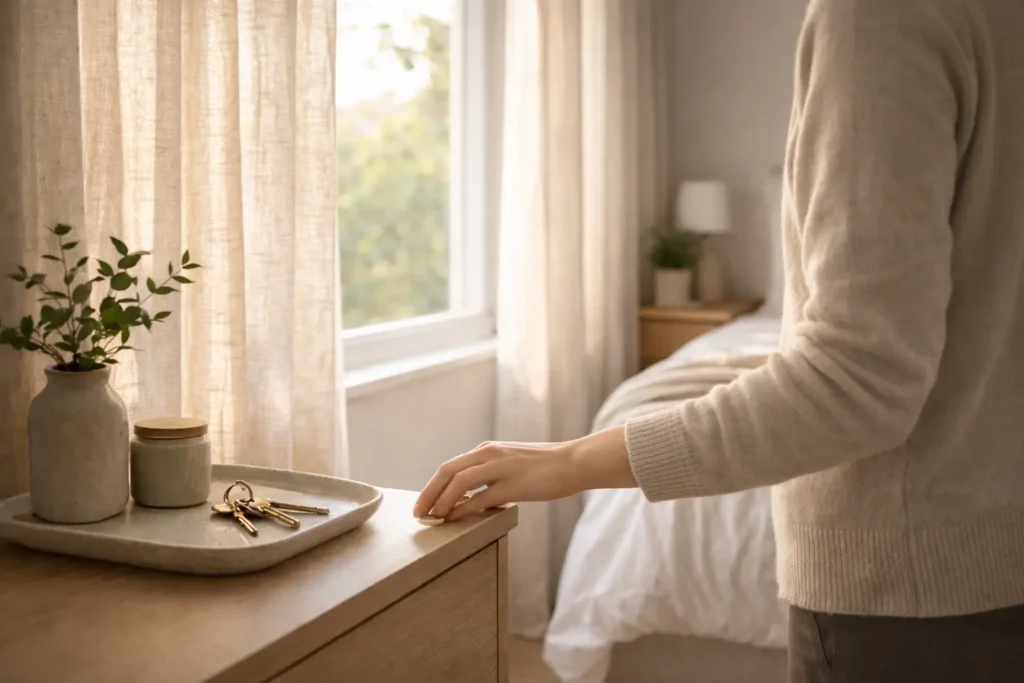
When a home starts the morning with a few simple organizational habits, clutter has far fewer opportunities to accumulate. Surfaces remain clear, everyday items stay in their proper place, and daily routines tend to flow more smoothly.
Instead of relying on occasional deep cleaning, many well-organized households maintain order through consistent daily habits. A few minutes of structured activity each morning can stabilize the environment and prevent small messes from becoming larger problems later in the day.
Understanding how morning habits home organization routines work can help transform organization from a constant effort into a natural and sustainable system.
Why Morning Habits Home Organization Systems Work
Daily habits influence the state of a home far more than occasional cleaning sessions. While deep cleaning can restore order temporarily, long-term organization usually depends on consistent routines that prevent clutter from building up in the first place.
Morning routines are particularly effective because they occur at a predictable moment in the day. This regular timing makes habits easier to repeat and integrate into everyday life.
Morning routines are only one part of maintaining an organized environment. Many well-structured homes also rely on small daily actions that keep spaces functional throughout the day. These types of routines are explained in more detail in daily habits that keep your home organized.
Morning habits home organization systems work well because they focus on prevention rather than correction. Instead of waiting for a space to become messy, small actions restore structure before daily activity begins.
These habits also create psychological clarity. Starting the day in an organized environment reduces visual stress and helps people move through daily tasks more efficiently.
Over time, these repeated habits form a structural rhythm that keeps a home stable without requiring constant effort or large cleaning sessions.
9 Morning Habits That Support Home Organization
Small daily habits often have the greatest impact on long-term home organization. The following morning habits require only a few minutes but help maintain order throughout the entire day.
1. Reset the Main Living Area
The main living area is usually one of the most frequently used spaces in a home. Performing a quick reset each morning helps establish a sense of order for the rest of the day.
A simple reset might include:
- straightening pillows or blankets
- returning remote controls to their place
- removing cups or dishes left from the evening
This short routine restores visual calm and prevents clutter from spreading into other rooms.
2. Clear Kitchen Surfaces
Kitchen counters tend to collect items quickly, especially during busy mornings. Starting the day with clear surfaces makes the kitchen easier to use and maintain.
A quick morning habit might include:
- putting away clean dishes
- wiping countertops
- returning appliances to their designated spot
Clear surfaces create a more functional workspace and help maintain overall kitchen order.
3. Return Out-of-Place Items
During everyday life, small objects often migrate from room to room. A short morning habit of returning misplaced items helps prevent gradual clutter accumulation.
Examples include:
- books or notebooks
- glasses or small electronics
- keys or personal items
This simple habit keeps items circulating back to their proper storage locations.
4. Prepare the Entry Area
The entryway often becomes a gathering place for everyday items such as bags, shoes, and keys. Spending a moment organizing this space each morning can prevent last-minute confusion later in the day.
A quick reset might include:
- placing keys in a tray or bowl
- hanging bags or jackets
- aligning shoes neatly
An organized entry area makes leaving the house easier and reduces daily stress.
5. Make the Bed
Making the bed is one of the simplest habits that improves the overall appearance of a bedroom.
Although it takes only a few minutes, a made bed stabilizes the visual structure of the room and encourages the rest of the space to remain tidy.
This small habit often creates a positive momentum for other organizational tasks during the day.
6. Start a Small Laundry Cycle When Needed
Laundry can accumulate slowly until it becomes overwhelming. Many households experience this pattern explained in why laundry piles up so fast, where small daily clothing cycles gradually turn into larger loads.
Even occasional small loads can prevent laundry from becoming a larger, time-consuming task later.
7. Check One Small Storage Zone
Another effective morning habit is briefly reviewing a small storage area.
Examples might include:
- a kitchen drawer
- a bathroom counter
- a shelf in the living room
- a coffee table tray
This habit helps identify minor clutter before it spreads to other parts of the home.
8. Put Away Overnight Items
Objects used during the evening often remain out overnight. Quickly returning these items to their place restores structure to the environment.
Examples may include:
- books
- blankets
- chargers
- personal items
Because this habit happens daily, it prevents small messes from gradually building up.
9. Do a Two-Minute Visual Scan
Before leaving a room, a quick visual scan can help identify items that are out of place.
This habit usually takes less than two minutes and often catches things like:
- misplaced objects
- cups or dishes
- small clutter on surfaces
Performing this short scan each morning prevents minor disorganization from accumulating over time.
How to Apply Morning Habits Home Organization in Daily Life
Building morning habits home organization routines does not require implementing every habit immediately. In fact, beginning with a few simple habits is usually more effective.
Morning habits work best when they are combined with simple routines later in the day. Many households pair their morning organization habits with a short evening reset that restores order before the next day begins. A practical example of this approach can be found in this nightly home reset routine.
A practical approach is to start with two or three habits such as:
- making the bed
- clearing kitchen counters
- resetting the main living area
Once these habits become automatic, additional routines can gradually be added.
Consistency is far more important than intensity. Habits that take only a few minutes but occur every day tend to produce better results than occasional large cleaning sessions.
Another useful strategy is linking organizational habits to existing morning routines. For example:
- clearing the kitchen after making coffee
- organizing the entry area before leaving the house
- doing a quick visual scan before starting work
In addition to small daily habits, many organized households also rely on a structured weekly routine that restores the overall balance of the home. This type of routine helps prevent clutter from accumulating over time and complements daily organization habits. You can learn more about this approach in the weekly home reset system.
Over time, these habits form a predictable rhythm that keeps the home organized with minimal effort.
Conclusion
Maintaining an organized home does not necessarily require complicated systems or frequent deep cleaning. In many cases, the most effective strategy involves small daily habits that prevent clutter from accumulating.
Morning habits home organization routines work because they restore structure at the beginning of the day. A few minutes spent resetting key areas can keep the entire home functioning smoothly.
By focusing on consistent actions such as clearing surfaces, returning items to their place, and performing quick resets, households can maintain a calm and organized environment with very little effort.
Over time, these habits evolve into a natural system that supports a stable, functional, and comfortable home.