Daily habits that keep your home organized are often much simpler than people imagine. Many households struggle with clutter and disorder not because they lack motivation, but because small daily routines slowly fall out of alignment with everyday life. A few minutes of intentional organization each day can prevent small messes from turning into overwhelming cleaning sessions.
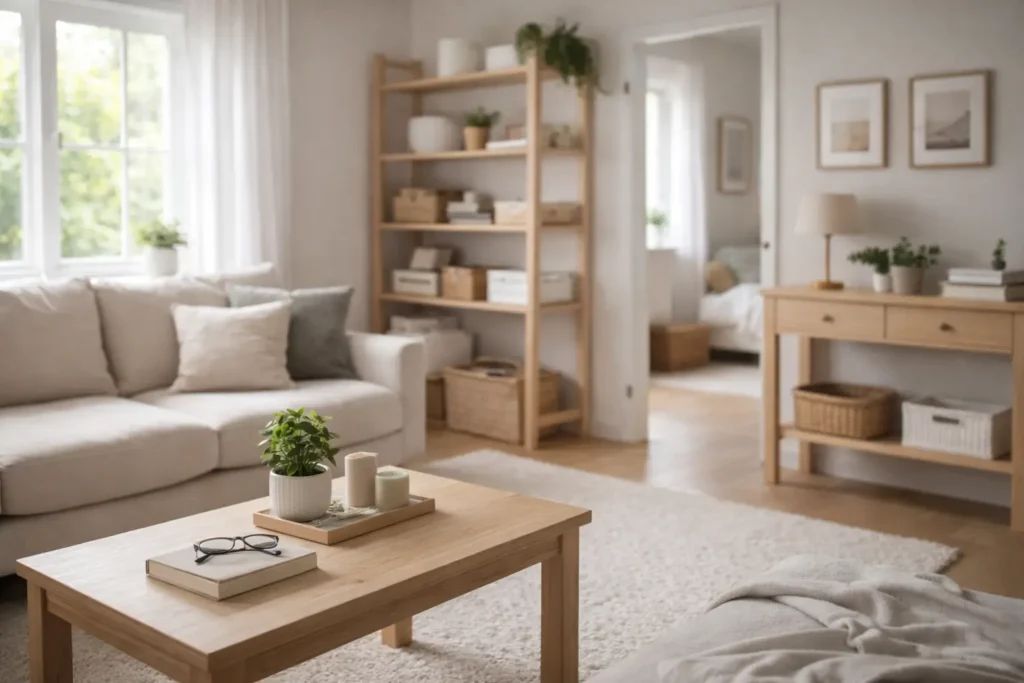
In many homes, clutter does not appear suddenly. It builds gradually as everyday items accumulate faster than they are put away. Mail lands on the counter, shoes remain near the door, laundry waits a little longer than planned, and small tasks get postponed. Over time, these minor delays create the impression that the house is always messy.
The good news is that maintaining an organized home does not require long cleaning sessions or complex systems. Consistent daily habits can keep spaces functional, calm, and manageable. When organization becomes part of everyday routines, homes stay tidy with far less effort.
Small Habits That Prevent Clutter From Building Up
Clutter rarely appears all at once. Instead, it develops through repeated small actions that gradually create disorder. Many homes experience this slow buildup of everyday items returning to surfaces again and again, a pattern similar to what is explained in why clutter keeps coming back, where small habits quietly shape how clutter forms inside a home.
When everyday items do not return to their designated places, they begin to accumulate on surfaces and in shared spaces. Kitchen counters collect small appliances, living room tables gather random objects, and entryways slowly fill with bags, jackets, and shoes.
Small habits interrupt this cycle before clutter grows. Putting an item back immediately after using it may take only a few seconds, yet it prevents the slow buildup that leads to messy rooms.
Another important factor is visibility. When surfaces remain clear, it becomes easier to notice when something is out of place. Organized spaces therefore reinforce the very behaviors that keep them tidy.
Over time, these small habits create a stable environment where clutter struggles to take hold.
Why Daily Routines Matter for Home Organization
Daily routines play an essential role in maintaining an organized home because they align cleaning and organizing tasks with everyday activities.
These routines become even more effective when they are part of a broader structure. A complete framework for connecting habits, routines, and maintenance can be seen in the Household Systems Blueprint, which shows how daily actions fit into a sustainable home organization system.
Without routines, organization becomes reactive. People clean only when the mess becomes impossible to ignore. This approach often leads to frustration, long cleaning sessions, and the feeling that household maintenance never ends.
Routines shift the focus from reaction to prevention.
Instead of waiting for clutter to accumulate, small tasks are completed at predictable moments throughout the day. Dishes are handled after meals, clothes are placed in the laundry basket immediately, and surfaces are quickly reset before bedtime.
This steady rhythm keeps homes functional without requiring large bursts of effort.
Another advantage of routines is that they reduce decision fatigue. When certain tasks always happen at the same time, people no longer need to decide when to do them. The habit becomes automatic, which makes maintaining order much easier.
When daily routines are missing, small tasks begin to accumulate faster than they are completed. Over time, this creates the feeling that the home becomes messy again almost immediately. This is a common frustration many households experience, often leading people to wonder why their house gets messy so fast.
Habits help maintain order, but it is also important to understand how often you should declutter your home to avoid overload.
10 Daily Habits That Keep Your Home Organized
The following habits are simple but powerful. When practiced consistently, they help prevent clutter and keep everyday spaces comfortable and functional.
1. Make the Bed Each Morning
Making the bed sets the tone for the entire day. It immediately makes the bedroom look more organized and encourages a mindset of maintaining order in other areas of the home.
2. Clear Kitchen Counters After Each Meal
Kitchen counters often become clutter hotspots. Taking a minute to wipe surfaces and return items to their proper places prevents mess from accumulating throughout the day.
3. Put Items Back Immediately After Use
This is one of the most effective organization habits. Returning objects to their designated location eliminates the gradual buildup of random items around the house.
4. Handle Mail and Paper Right Away
Paper clutter grows quickly when mail and documents are left unattended. Sorting mail immediately—recycling unnecessary papers and storing important ones—keeps surfaces clear.
5. Do a Quick Evening Reset
A short five-minute reset before bedtime can transform how the home feels the next morning. Following a simple daily home reset checklist helps maintain this routine consistently. Straightening pillows, folding blankets, and putting away small items restores order to shared spaces.
6. Keep the Entryway Clear
Shoes, bags, and jackets often accumulate near the entrance. Placing them in designated hooks, baskets, or shelves helps maintain a welcoming and organized entryway.
7. Run Small Laundry Loads Regularly
Laundry piles grow quickly when left for several days. Many homes experience this pattern explained in why laundry piles up so fast, where small daily clothing cycles gradually turn into overwhelming loads. Washing smaller loads more frequently helps prevent this buildup.
8. Empty the Sink Before Bed
Waking up to a clean sink makes the kitchen feel immediately calmer. Even a quick rinse of dishes before bed can prevent the morning from starting with clutter.
9. Return Items to Their Room
When objects move from one room to another, they often remain there unintentionally. Taking a moment to return items to their original place helps maintain balance throughout the home.
10. Spend Five Minutes Decluttering One Area
A few minutes of light decluttering each day can make a surprising difference. Focusing on a small area—like a drawer, shelf, or countertop—gradually improves the entire home.
How Consistency Makes Home Organization Easier
Consistency is what transforms small habits into long-term organization systems. Each individual habit may take only a few minutes, but together they create a steady maintenance rhythm that keeps the home running smoothly.
The key is to keep habits simple and realistic. When routines require too much time or effort, they become difficult to maintain. Small actions repeated daily are far more effective than occasional deep cleaning sessions.
It is also helpful to attach habits to existing routines. For example, wiping kitchen counters after meals or resetting the living room before going to bed naturally fits into the flow of the day.
Over time, these habits become automatic. Instead of feeling like chores, they simply become part of daily life.
When organization is supported by consistent routines, homes remain calmer, more functional, and far easier to maintain.
These habits become more effective when supported by regular maintenance that resets the environment over time.
In addition to daily habits, understanding when to declutter helps keep your system effective over time.
Conclusion
Maintaining an organized home does not require perfection or hours of cleaning each day. In most cases, the difference between cluttered spaces and tidy ones comes down to a handful of simple routines.
Daily habits that keep your home organized work because they prevent disorder before it has the chance to grow. Small actions—like returning items to their place, resetting surfaces, and handling tasks promptly—create a steady rhythm that keeps the home running smoothly.
When these habits become part of everyday life, organization stops feeling like a constant battle and becomes a natural part of the household routine.