The everyday order method home approach is not about cleaning more often. It is about creating a simple system that keeps your space stable with minimal effort.
Many homes do not become disorganized because of neglect. They become disorganized because daily life has no structure to absorb small disruptions. Items are moved, surfaces are reused, and tasks are postponed. Over time, this creates visible disorder, which helps explain why clutter keeps coming back in many homes.
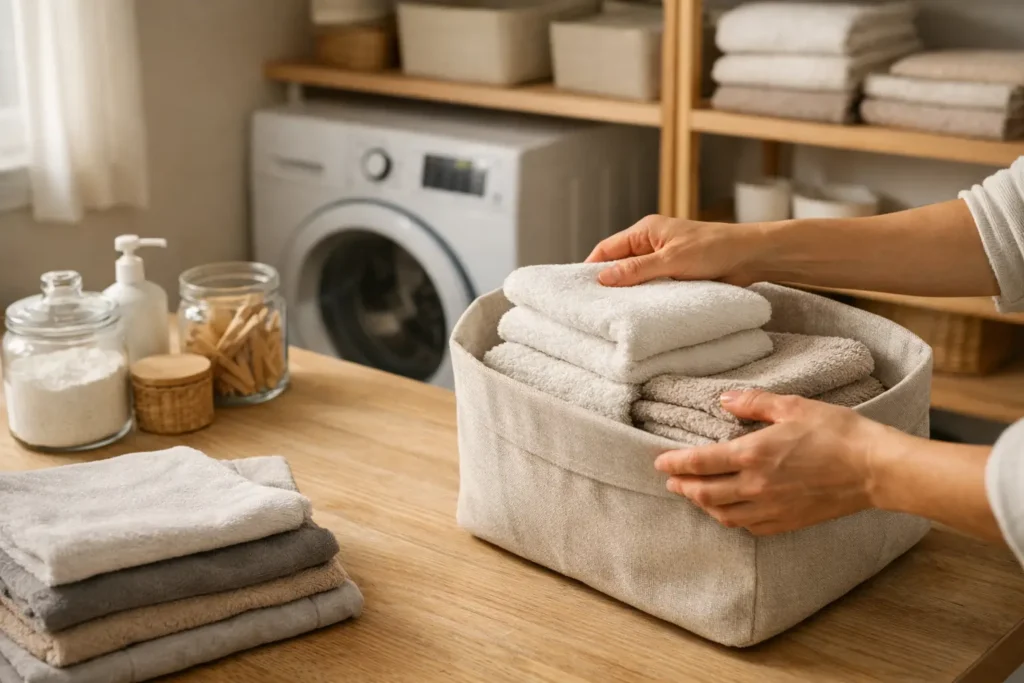
The everyday order method focuses on preventing that buildup. Instead of reacting to mess, it distributes small actions across the day, keeping the environment balanced and predictable.
This method is especially effective in homes where routines are busy, spaces are reused frequently, and traditional cleaning approaches fail to maintain consistent order.
If you prefer a structured approach, following an ultimate home organization checklist can help you apply this method step by step.
What the Everyday Order Method Home Is and Why It Works
The everyday order method home is a low-effort system designed to maintain order continuously, rather than restoring it periodically.
Instead of relying on large cleaning sessions, the method works through:
• small resets
• controlled item flow
• consistent placement habits
• short, repeatable actions
The reason it works is simple: disorder builds gradually, so it must be managed gradually.
In most homes, clutter appears because:
• items are left without a defined place
• daily transitions are unmanaged
• small tasks accumulate silently
This method addresses those exact points.
In most homes, clutter appears because small tasks accumulate silently, which is why a daily home reset routine becomes essential for maintaining consistency.
By stabilizing how items move and where they return, the home requires less effort to maintain. Over time, this reduces both the physical workload and the mental load associated with keeping the space organized.
Step-by-Step: The Everyday Order Method Home System
This system is built around three core layers. Each layer works together to prevent accumulation and maintain stability throughout the day.
1. The Reset Points
Reset points are small moments during the day where you restore order in specific areas.
These are not full cleaning sessions. They are quick adjustments that prevent buildup.
Examples:
• morning reset (bedroom and bathroom)
• midday reset (kitchen or workspace)
• evening reset (living areas)
Each reset takes 3–5 minutes.
The goal is not perfection. It is continuity.
When these resets are performed consistently, the environment never reaches a point where deep cleaning feels overwhelming.
2. The Return Rule
Every item must have a defined place and be returned immediately after use.
This eliminates temporary placement, one of the main reasons people struggle to stay organized over time.
Instead of:
“I’ll put this away later”
The system reinforces:
“This goes back now”
Common application areas:
• keys and entry items
• kitchen tools
• clothing
• daily-use objects
This single rule dramatically reduces accumulation. It also simplifies decision-making.
3. The Surface Control Principle
Surfaces are the first place where disorder becomes visible.
The method limits how surfaces are used.
Each surface should have:
• a defined function
• a limited number of objects
• a quick reset action
By controlling surfaces, visual clutter is reduced immediately.
4. The Flow Awareness Layer
Beyond resets and placement, the method also considers how items move through the home.
Disorder often appears when movement has no structure.
Simple adjustments include:
• placing items where they naturally accumulate
• aligning storage with usage
• reducing friction between use and return
Rooms and Areas to Apply the Method
Bedroom
Focus on:
• light bed reset
• bedside organization
• clothing flow
Kitchen
Apply:
• immediate dish handling
• quick counter resets
• defined zones
This becomes even more effective when supported by a daily cleaning checklist.
Living Room
Focus on:
• resetting surfaces
• organizing frequently used items
• maintaining clear space
Entryway
Create:
• a drop zone
• a defined place for essentials
• a quick reset habit
Bathroom
Apply:
• quick sink resets
• limited items
• defined storage
Common Mistakes That Break the System
• trying to do everything at once
• creating complex systems
• allowing temporary placement
• ignoring high-traffic areas
• expecting perfection
The method depends on simplicity.
Tips for Maintaining the Everyday Order Method
Consistency is more important than intensity.
Keep actions small.
These actions become easier when supported by daily habits that keep your home organized.
Link resets to existing habits.
Avoid “later” decisions.
Simplify your environment.
How the Everyday Order Method Connects With Other Systems
The everyday order method home works best when combined with structured routines:
• daily resets → maintain baseline
• weekly routines → deeper organization
• monthly resets → long-term balance
Without a monthly structure, small issues continue to build over time, which is why a monthly home organization checklist is essential.
Conclusion
The everyday order method home is not about doing more. It is about doing things at the right moment.
By distributing small actions throughout the day, the home remains stable without requiring large effort.
Instead of cycles of mess and cleaning, the environment stays consistently manageable.
When order becomes part of the daily flow, maintaining a home becomes automatic, predictable, and sustainable.