Keeping a home organized does not require hours of cleaning or complicated systems. In fact, the most effective approach is often the simplest one: a consistent, small daily action.
The 10 minute daily organization habit is a practical way to maintain order without feeling overwhelmed. Instead of waiting for clutter to build up, this habit focuses on small, intentional resets that prevent disorder from taking over your space.
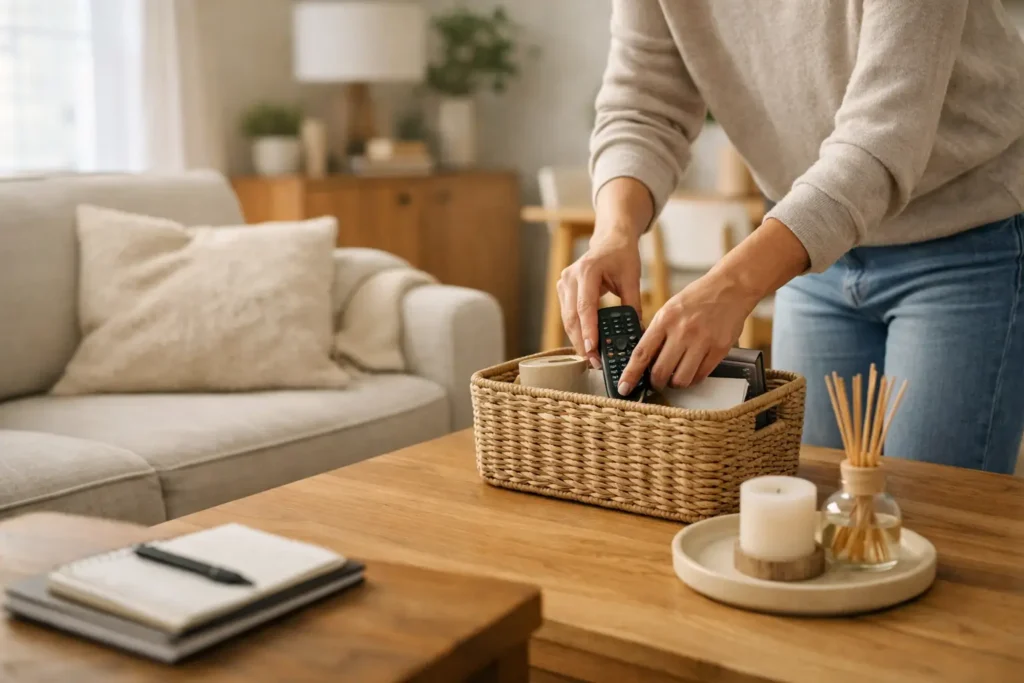
Over time, this simple routine transforms how your home functions, making it easier to maintain, more comfortable to live in, and less stressful to manage, especially when combined with simple systems that explain why your house gets messy so fast.
What Is the 10 Minute Daily Organization Habit and Why It Works
The 10 minute daily organization habit is a short, focused routine where you spend just ten minutes each day resetting key areas of your home.
Rather than deep cleaning or organizing everything at once, the goal is to:
- Maintain existing order
- Reset small areas before they become messy
- Support daily systems that keep your home functional
This approach works because it aligns with how clutter actually develops.
Clutter rarely appears all at once. It builds gradually through small actions:
- leaving items out
- postponing quick tasks
- not resetting spaces after use
By dedicating just ten minutes a day, you interrupt this cycle before it grows into a larger problem, which is closely related to understanding why clutter keeps coming back.
Over time, your home requires less effort to maintain because disorder never has the chance to accumulate.
Step-by-Step: How to Apply the 10 Minute Daily Organization Habit
This habit is simple, but consistency is what makes it effective.
Here is a practical way to implement it:
1. Choose a consistent time
Pick a moment that fits naturally into your day:
- after dinner
- before bedtime
- early in the morning
Consistency matters more than timing. The habit becomes automatic when it is attached to an existing routine.
2. Set a timer for 10 minutes
Keeping the time limited is important.
It prevents:
- overwhelm
- perfectionism
- unnecessary effort
Knowing the task will end quickly makes it easier to start.
3. Focus on visible, high-impact areas
Choose areas that affect how your home feels:
- kitchen counters
- living room surfaces
- entryway
- dining table
These spaces influence your perception of order more than hidden areas.
4. Reset, don’t reorganize
This is not the time to:
- declutter everything
- reorganize drawers
- create new systems
Instead, focus on:
- putting items back in place
- clearing surfaces
- returning objects to their “home”
The goal is maintenance, not transformation.
5. Stop when the timer ends
Even if everything is not perfect, stop after ten minutes.
This reinforces sustainability and prevents burnout.
Consistency always beats intensity.
Rooms and Tasks That Benefit Most From This Habit
Not all areas of the home need daily attention. The key is focusing on spaces that experience constant use.
Kitchen
- wipe counters
- load or unload dishwasher
- put away items left out
A quick reset keeps the kitchen functional and ready for the next day.
Living Room
- fold blankets
- organize cushions
- clear coffee table
This helps maintain a calm and inviting environment.
These small resets are even more effective when combined with simple routines like daily habits that keep your home organized.
Entryway
- store shoes
- hang bags or coats
- organize keys
A tidy entry prevents clutter from spreading into the rest of the home.
Bedroom
- make the bed
- clear bedside surfaces
- put away clothes
Even small actions here create a strong sense of order.
How to Maintain the 10 Minute Daily Organization Habit Long-Term
Starting the habit is easy. Maintaining it is what creates lasting results.
Here are simple ways to stay consistent:
Keep expectations realistic
Your home does not need to look perfect.
The goal is:
- functional spaces
- reduced clutter
- easier maintenance
Perfection creates resistance. Simplicity creates consistency.
Make it part of your identity
Instead of thinking:
“I need to clean.”
Shift to:
“I reset my home every day.”
This subtle change makes the habit feel natural rather than forced.
Use visual cues
A cluttered surface can act as a reminder.
When you see it, it signals:
this is part of your daily reset.
Pair it with an existing habit
Attach it to something you already do:
- after brushing your teeth
- after dinner
- before relaxing in the evening
This reduces the effort required to remember.
Keep tools accessible
Make organization easy:
- baskets for quick storage
- trays for small items
- designated places for everyday objects
When systems are simple, habits become automatic.
Why Small Daily Habits Are More Effective Than Occasional Cleaning
Many people rely on occasional deep cleaning sessions to manage their homes. While this can help temporarily, it often leads to a cycle of:
- buildup
- overwhelm
- reset
- repeat
The 10 minute daily organization habit breaks this pattern.
Instead of reacting to clutter, you prevent it.
This creates:
- a more stable environment
- less stress
- fewer large cleaning sessions
It also changes how you interact with your space.
Your home becomes easier to manage because it is supported by consistent daily actions rather than occasional effort.
Combining This Habit With Other Simple Systems
This habit becomes even more effective when combined with simple household systems.
For example:
- designated storage for frequently used items
- limiting unnecessary possessions
- creating small routines for specific areas
These systems reduce friction and support your daily reset.
Over time, your home becomes easier to maintain because everything has a place and purpose, especially when supported by simple routines like a weekly home reset routine.
Conclusion
The idea that a home requires constant effort to stay organized is often a misconception.
In reality, small, consistent actions have the greatest impact.
The 10 minute daily organization habit works because it focuses on maintenance rather than correction. By dedicating just a few minutes each day, you prevent clutter from building and create a home that feels calm, functional, and easy to manage.
Instead of spending hours fixing disorder, you spend a few minutes preventing it.
And that small shift makes all the difference.