Why home organization systems fail is often misunderstood. Many people invest time, effort, and money into organizing their homes, only to see the results slowly disappear.
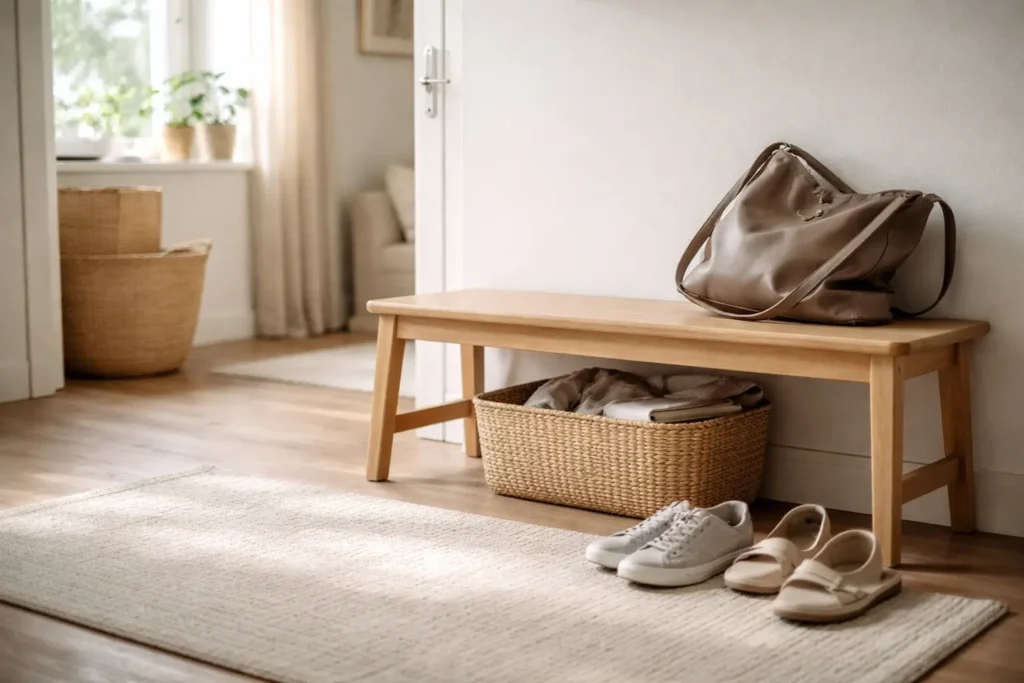
At first, everything seems to work. Spaces look clean, systems feel efficient, and routines appear manageable. But over time, clutter returns, structure weakens, and the system loses consistency.
The issue is rarely a lack of discipline. Most of the time, it comes from structural weaknesses in how the system was designed, something that becomes clearer when looking at a complete home organization blueprint built for long-term stability.
Why Home Organization Systems Fail
Most organization systems fail because they are built around ideal scenarios rather than real-life usage.
They assume:
- consistent energy
- perfect routines
- uninterrupted time
But daily life is unpredictable. When a system requires too much effort to maintain, small breakdowns begin to occur.
At first, these are subtle:
- items are left out temporarily
- tasks are postponed
- shortcuts are taken
Over time, these small inconsistencies accumulate. The system gradually loses its ability to regulate the space, and disorder starts to build again.
Without structured correction points, systems naturally drift. This is why integrating a weekly home reset system is essential to restore balance before small disruptions become larger problems.
Why Home Organization Systems Fail in Real Homes
In real homes, systems must operate under pressure—busy schedules, multiple responsibilities, and constant movement.
When systems don’t account for these realities, they fail quickly.
Common patterns include:
- systems that depend on motivation rather than structure
- storage that is not aligned with daily habits
- routines that require more time than is realistically available
- lack of flexibility for unexpected situations
This pattern is often visible in everyday life, a dynamic explored in why clutter keeps coming back.
A system that only works under perfect conditions is not a functional system. It is a temporary setup.
Hidden Causes That Most People Overlook
Beyond surface-level issues, there are deeper structural reasons why organization systems fail.
These hidden causes often determine whether a system will last or collapse.
Misaligned Storage Zones
Items are frequently stored based on available space rather than actual use.
For example:
- cleaning supplies stored far from where they are needed
- everyday items placed in inconvenient locations
This creates friction. The more effort required to return an item, the less likely it is to happen consistently.
Over-Optimization
Many systems are designed to be visually perfect but functionally rigid.
Examples include:
- overly segmented drawers
- excessive labeling
- highly specific categories
While these systems look organized, they demand precision. Over time, maintaining that level of detail becomes exhausting.
Lack of Buffer Capacity
Every home needs space to absorb temporary disorder.
Without buffer zones:
- small messes become visible clutter
- daily disruptions accumulate quickly
- systems become overloaded
Buffer areas act as pressure relief points, allowing the system to remain stable even during busy periods.
No Maintenance Layer
Many organization efforts focus on setup but ignore maintenance.
Without:
- daily resets
- weekly adjustments
- periodic corrections
the system slowly drifts away from its original structure, especially when there is no defined monthly household maintenance checklist to realign the system over time.
Organization is not a one-time event. It is a continuous process.
Systems That Ignore Human Behavior
Perhaps the most critical issue is this:
People do not follow systems perfectly.
If a system requires:
- multiple steps
- constant decision-making
- extra effort
it will eventually fail.
Sustainable systems are designed around natural behavior—not ideal behavior.
Practical Systems That Actually Work
To prevent failure, systems must be built for sustainability, not perfection.
Here are the core principles that make organization systems last:
Reduce Friction
The easier a system is to use, the more likely it will be maintained.
This means:
- storing items where they are used
- minimizing unnecessary steps
- simplifying access
Convenience drives consistency.
Design for Imperfection
A good system continues working even when it’s not followed perfectly.
Instead of requiring exact placement:
- allow flexibility
- use open or semi-structured storage
- simplify categories
Resilience is more important than precision.
Create Clear Reset Points
Systems need structured moments of correction.
Examples include:
- a short daily reset
- a weekly home reset
- monthly reorganization
These resets prevent small issues from becoming larger problems.
Build Around Daily Flow
Observe how your home naturally functions.
Pay attention to:
- where items accumulate
- which tasks repeat daily
- where friction occurs
Then design systems that follow these patterns.
Keep Systems Simple
Simple systems are easier to maintain over time.
Instead of:
- multiple layers of organization
- complex categorization
focus on:
- intuitive grouping
- easy access
- minimal decision-making
Simplicity increases long-term success. This is the foundation behind any low effort home system, where reduced complexity improves consistency and prevents long-term system failure.
Simple Actionable Tips to Improve Your System
If your current system is not working, small changes can create significant improvements.
Focus on One Area First
Choose a space that consistently becomes disorganized.
Instead of fixing everything:
- improve one system
- observe results
- replicate what works
This approach creates momentum.
Eliminate Unnecessary Steps
If a system feels tiring, simplify it.
For example:
- replace complicated folding methods
- reduce the number of containers
- group similar items together
Fewer steps lead to better consistency.
Introduce a Daily Reset
Even 10 minutes per day can maintain order.
Focus on:
- returning items
- clearing surfaces
- resetting key areas
This prevents accumulation.
Add Buffer Zones
Create spaces that absorb temporary clutter:
- entryway drop zones
- laundry holding areas
- flexible storage bins
These areas reduce pressure on the system.
Adjust Storage Placement
Move items closer to where they are used.
Convenience reduces resistance and increases the likelihood that systems will be followed.
Conclusion
Understanding why home organization systems fail changes the way you approach organization entirely.
The problem is not effort—it is design.
When systems are built around real behavior, simplicity, and flexibility, they become sustainable. Instead of constantly reorganizing, you create a structure that maintains itself over time.
This is what transforms organization from a temporary result into a sustainable structure, especially when integrated into a complete daily, weekly and monthly home system designed for long-term stability.