Understanding how organized homes work is not about copying what looks tidy on the surface. It is about recognizing the systems that operate behind the scenes.
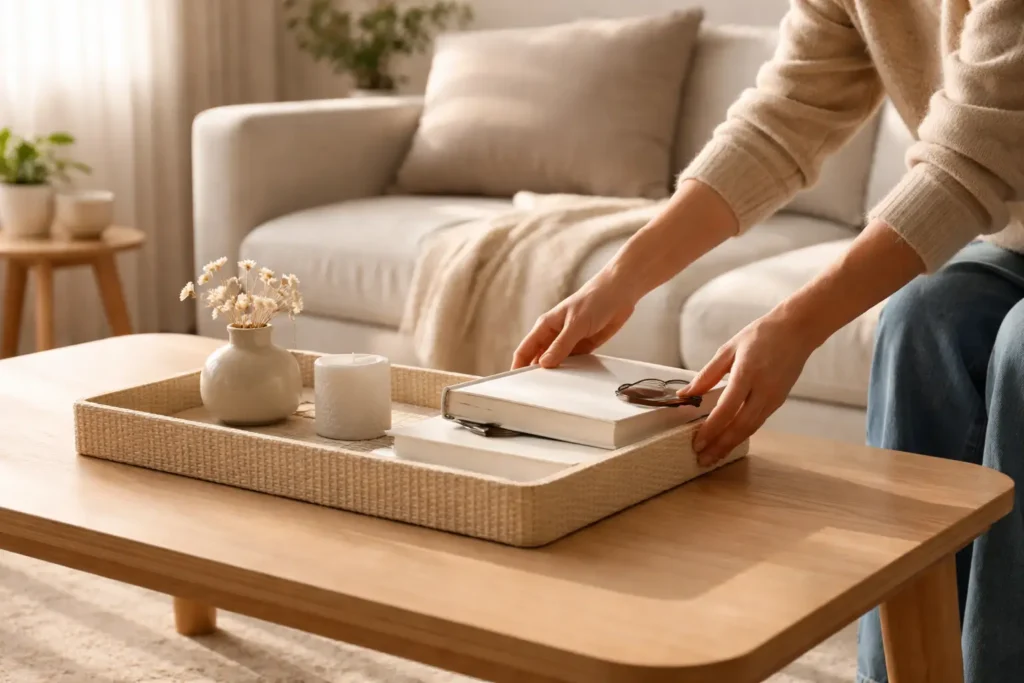
Many homes appear organized for a short period of time but quickly return to disorder. This cycle happens not because people lack effort, but because there is no structure supporting daily activity. A more structured approach can help create long-term stability. A practical example can be seen in an ultimate home cleaning checklist that connects daily habits, weekly routines, and long-term maintenance into a structured and repeatable system.
Items are moved, surfaces are reused, and tasks are postponed. Over time, these small actions accumulate and create visible clutter.
Organized homes function differently. They are built on systems that absorb daily use without breaking down. Instead of relying on occasional cleaning, they maintain order continuously through small, consistent actions.
Why Most Homes Struggle to Stay Organized
Most homes struggle because they depend on effort rather than structure.
Disorder is not a single event. It is the result of repeated patterns:
• placing items without returning them
• using surfaces without resetting them
• postponing small tasks
• storing items without clear logic
At first, these actions seem insignificant. However, as they repeat daily, they begin to overwhelm the space.
Without a system, the home constantly moves toward disorder. This creates a cycle:
organize → maintain briefly → lose control → reset again
The problem is not the lack of cleaning, but the absence of structure, which explains why clutter keeps returning in many homes.
The Hidden Systems Behind How Organized Homes Work
To understand how organized homes work, you need to look beyond visible organization.
What keeps a home organized is not what you see, but how the environment is structured.
These systems often rely on consistent routines to maintain order throughout the day.
Defined Storage Logic
Every item has a specific place based on frequency of use.
Daily-use items are easy to access.
Occasional items are stored away.
This reduces decision-making and prevents random placement.
Flow-Based Organization
Items move through the home in predictable ways.
For example:
- keys move from entry to tray
- laundry moves from bedroom to basket, supported by a simple daily laundry system that keeps the process consistent
- dishes move from table to sink
When flow is clear, items return naturally.
Low-Friction Systems
Organized homes minimize effort.
Storage is simple.
Actions are quick.
No extra steps are required.
If a system is difficult to follow, it will fail over time.
Surface Control
Surfaces are controlled and intentionally used.
Instead of becoming storage areas, they are:
• limited
• defined
• frequently reset
This keeps visual clutter low and maintains a sense of order.
Practical Systems That Keep a Home Organized
Organized homes rely on a combination of simple systems that work together.
These systems become even more effective when combined with the everyday order method home, which focuses on maintaining order continuously.
1. The Daily Reset System
Small resets happen throughout the day.
Examples:
- resetting the kitchen after meals
- organizing the living room in the evening
- clearing surfaces before bedtime
Instead of large cleaning sessions, maintenance becomes continuous. This long-term consistency becomes much easier to sustain when supported by a system designed for real-life conditions, as explained in how to maintain a clean home long term. These resets are most effective when built into a daily home reset routine that supports consistent maintenance.
These resets are most effective when built into a daily home reset routine that supports consistent maintenance.
2. The Return System
Items are returned immediately after use.
This removes one of the biggest causes of clutter: temporary placement.
Common areas:
• entryway items
• kitchen tools
• clothing
• personal items
This system eliminates buildup at the source.
3. The Zone-Based System
Each area has a defined purpose.
This prevents overlap and confusion.
For example:
• kitchen zones for cooking, prep, storage
• bedroom zones for sleep and clothing
• living room zones for relaxation
Clear zones create structure and reduce disorder.
4. The Periodic Reset System
Even organized homes need adjustment.
Over time:
• items accumulate
• systems lose efficiency
• spaces change
Periodic resets help maintain balance.
These include:
• decluttering
• reorganizing
• adjusting storage
Without this system, small inefficiencies grow into larger problems.
Understanding how often you should declutter is essential to keep this system effective over time.
5. The Stability System (Advanced Layer)
Highly organized homes maintain stability over time.
This means:
- systems do not depend on motivation
- routines support structure
- the environment corrects itself
Instead of constant effort, the home operates predictably.
This stability is achieved through systems that operate consistently without requiring continuous effort. A deeper explanation of this concept can be seen in the household stability system, where long-term structure replaces the need for constant cleaning.
Simple Habits That Support These Systems
Systems need behavior to function.
Organized homes rely on small habits that reinforce structure:
• returning items immediately
• resetting spaces after use
• completing small tasks quickly
• avoiding delayed decisions
These habits reduce friction and keep systems active.
Without them, even the best systems break down.
These habits reinforce long-term consistency and support the systems that keep a home organized.
How Organized Homes Handle Daily Life
The difference between organized and disorganized homes is not activity. It is response.
Organized homes are designed to handle daily life without disruption.
For example:
• high-use areas are easy to reset
• storage matches real behavior
• frequently used items are accessible
Instead of reacting to clutter, the home absorbs it.
This creates a continuous cycle of order rather than repeated breakdown.
Common Hidden Causes of Disorder
Even well-intentioned systems fail when hidden issues are present.
Common causes include:
• too many items in limited space
• storage that does not match usage
• lack of defined zones
• inconsistent routines
• reliance on motivation instead of structure
These factors slowly weaken organization.
Identifying and correcting them is essential.
Simple Tips to Make Your Home Work Like an Organized Home
To apply these principles, start with small changes.
Focus on High-Impact Areas
Start with areas used daily:
• kitchen
• entryway
• bedroom
These spaces influence the entire home.
Reduce Friction
Make systems easy to follow.
If something feels difficult, simplify it.
Limit Visible Items
Keep only essential items on surfaces.
This improves clarity and reduces visual clutter.
Create Clear Return Paths
Every item should have an obvious place.
If it doesn’t, it will not be returned.
Adjust Continuously
Observe how your home functions.
Then:
• move items
• simplify systems
• refine routines
Small adjustments improve long-term results.
Conclusion
Understanding how organized homes work changes how you approach organization.
It is not about doing more. It is about creating systems that support everyday life.
When structure replaces effort, maintaining order becomes easier and more natural.
Over time, organization stops being something you need to restore.
It becomes something your home maintains automatically through consistent systems and simple daily actions.
Combining these systems with a monthly home organization routine ensures that organization remains stable over time.