Keeping a house clean often feels like a task that never ends. Many people rely on frequent cleaning sessions to maintain order, only to find that mess and clutter quickly return.
The key difference is not how often you clean, but how your daily habits support the maintenance of your space. The right habits to keep house clean can reduce the need for constant effort and prevent mess from building up in the first place.
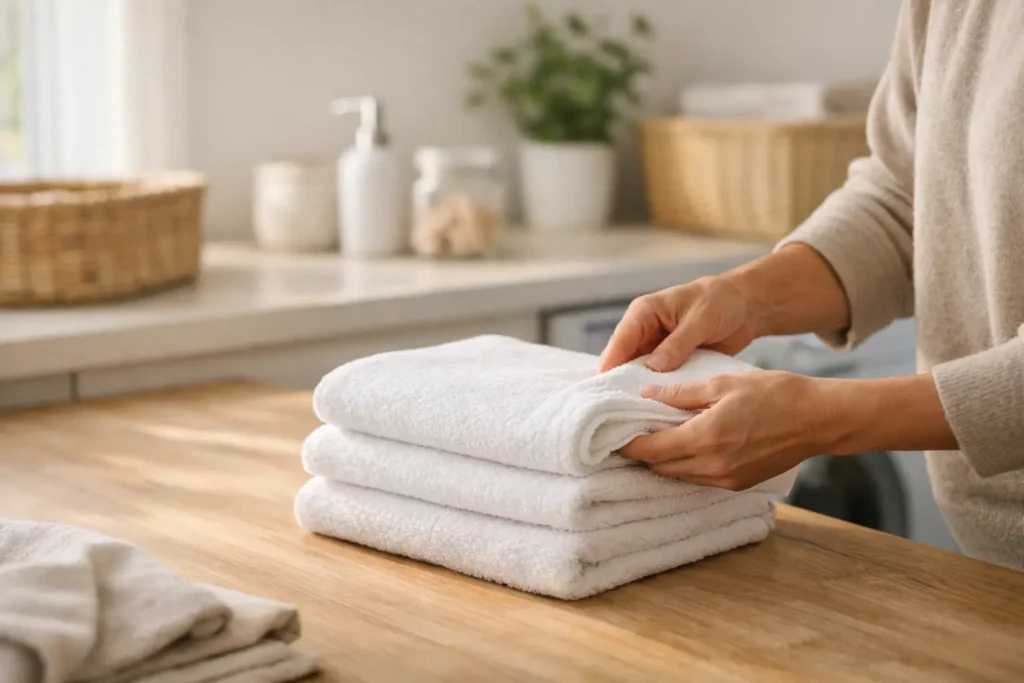
Instead of reacting to disorder, these habits create a system where cleanliness is maintained naturally throughout the day, especially when you understand why your house gets messy so fast.
Why Habits to Keep House Clean Matter More Than Cleaning
Cleaning removes visible dirt and clutter. Habits prevent them from accumulating.
Without supportive habits:
- items are left out
- small messes are ignored
- tasks are postponed
Over time, these small actions build into larger problems that require more time and effort to fix.
Habits, on the other hand, work continuously in the background. They reduce the need for large cleaning sessions by maintaining order in small, consistent ways.
This shift from reactive cleaning to proactive maintenance is what makes a home feel consistently clean, especially when supported by systems that explain why clutter keeps coming back.
10 Practical Habits to Keep House Clean Every Day
These habits are simple, quick, and easy to integrate into your routine. Individually, they may seem small, but together they create a powerful system.
1. Reset surfaces after use
After using a space, take a few seconds to restore it.
- wipe kitchen counters
- clear the dining table
- organize the coffee table
This prevents clutter from accumulating in visible areas.
2. Put items back immediately
Avoid creating temporary piles.
Instead of placing items “just for now,” return them to their designated place right away.
This eliminates the need for later cleanup.
3. Handle small tasks immediately
If something takes less than a minute, do it immediately.
Examples:
- rinsing a dish
- putting away shoes
- folding a blanket
Small actions prevent buildup.
4. Keep high-traffic areas clear
Focus on spaces that are used frequently:
- entryway
- kitchen
- living room
Maintaining these areas creates the impression of an overall clean home.
5. Limit what stays on surfaces
The more items on a surface, the easier it is for clutter to form.
Keep only essential or frequently used items visible.
This makes cleaning faster and easier.
6. Create simple storage zones
Everyday items should have a clear place.
Examples:
- basket for daily-use items
- tray for keys
- designated spot for bags
This reduces decision-making and makes it easier to maintain order.
7. Do a quick daily reset
Spend a few minutes each day restoring key areas.
Focus on:
- clearing surfaces
- returning items
- preparing spaces for the next day
This type of quick reset becomes even more effective when structured as a 10 minute daily organization habit. This keeps your home consistently manageable.
8. Manage laundry continuously
Avoid letting laundry accumulate.
Instead:
- do smaller loads regularly
- fold clothes soon after drying
- store them immediately
This prevents overwhelming piles.
9. Keep cleaning tools accessible
When tools are easy to reach, small cleaning tasks are more likely to happen.
Examples:
- cloths in the kitchen
- cleaning spray nearby
- quick-access storage
Accessibility reduces friction.
10. End the day with a reset routine
Before finishing your day, take a few minutes to:
- tidy main areas
- prepare for the next day
- restore basic order
This creates a clean starting point every morning.
How to Apply These Habits in Daily Life
Adopting new habits does not require a complete change in routine. The key is gradual integration.
Start with a few habits
Choose 2–3 habits that feel easiest to implement.
Once they become automatic, add more.
Attach habits to existing routines
Link new habits to actions you already do:
- after meals → reset the kitchen
- when entering the house → organize the entryway
- before bed → quick reset
This makes habits easier to remember.
Focus on consistency, not perfection
A clean home does not mean a perfect home.
Even partial effort helps maintain order.
Consistency over time is what creates lasting results.
Make systems easy to follow
If a habit feels difficult, simplify the system behind it.
For example:
- reduce the number of steps needed to store items
- keep storage accessible
- avoid overly complex organization
Ease leads to repetition.
Why These Habits Reduce the Need for Daily Cleaning
When these habits are in place, cleaning becomes less frequent and less demanding.
Instead of:
- large cleaning sessions
- visible clutter buildup
- constant corrections
You experience:
- stable order
- reduced effort
- faster maintenance
The home remains functional because problems are prevented before they grow.
Combining Habits With Simple Organization Systems
Habits are most effective when supported by practical systems.
For example:
- designated storage for frequently used items
- simple layouts that match daily routines
- accessible organization solutions
These systems reduce friction and support consistency.
When habits and systems work together, maintaining a clean home becomes almost automatic, especially when combined with approaches like a functional home organization method.
Conclusion
Keeping a house clean does not require constant effort or daily cleaning sessions.
With the right habits to keep house clean, small actions throughout the day prevent clutter and maintain order naturally.
Instead of spending time fixing problems, you create an environment where problems are less likely to appear.
And over time, this is what makes a home feel consistently clean, functional, and easy to manage.